Emergency Lockouts · Eagle Place
Business Lockout Service in Eagle Place
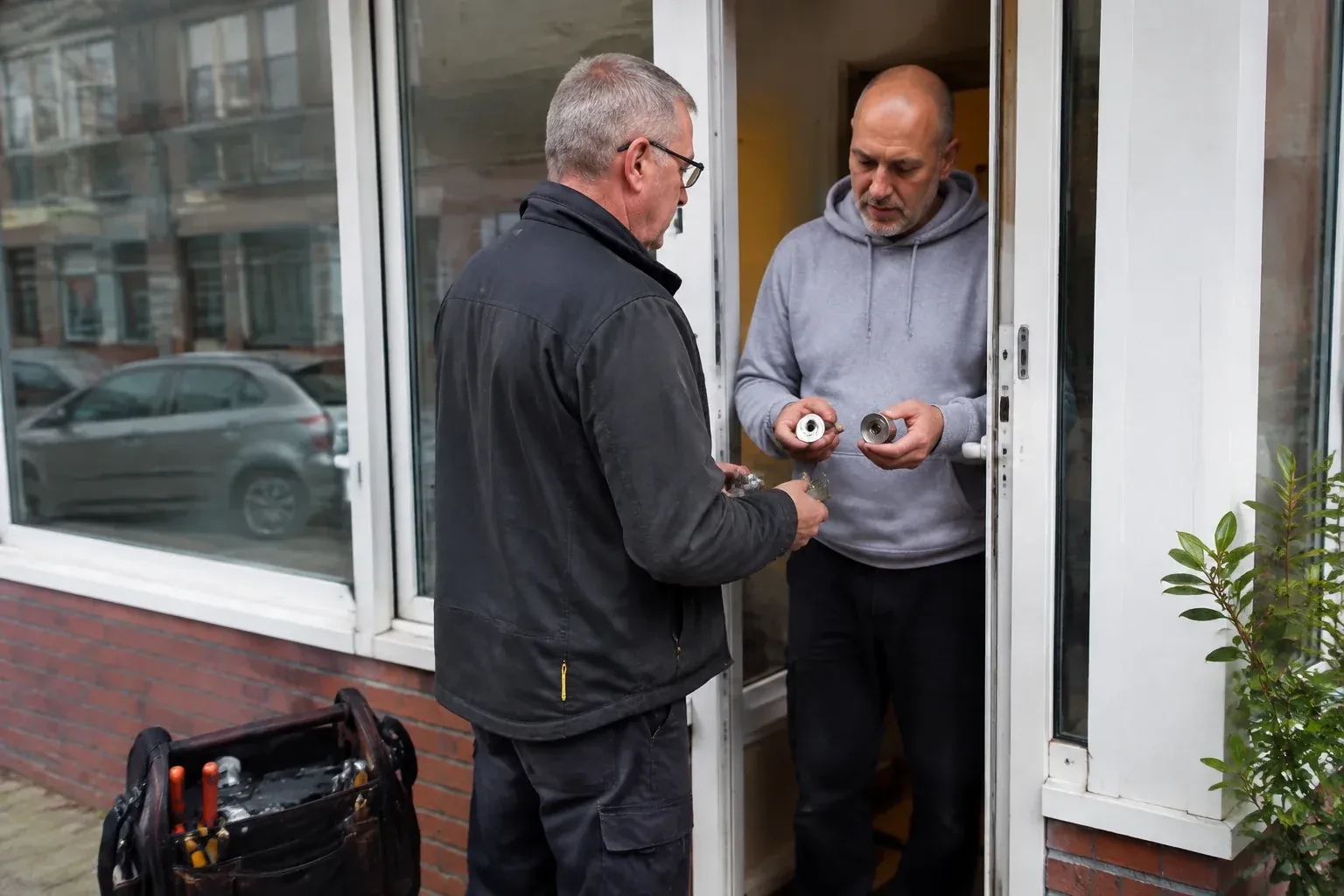
The manager who holds the only set of office keys is on a plane. The team is gathered in the corridor outside the suite, the landlord's office does not open for another hour, and the client meeting is at nine-thirty.
Call now · open 24/7(548) 900-9717In plain words
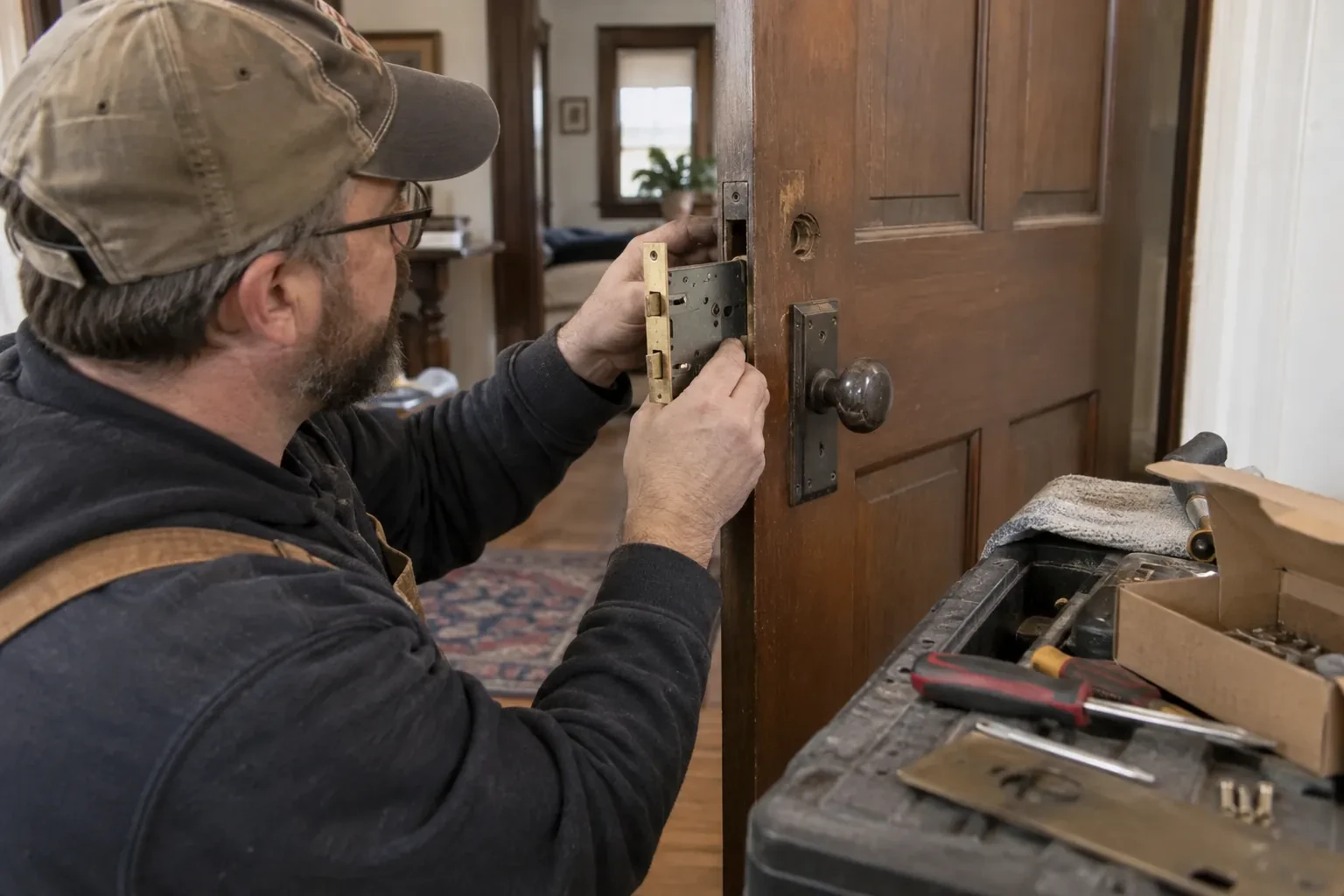
Commercial doors carry hardware that most homes never see, and reading it correctly is the first skill of a business lockout. An aluminium storefront door usually has a narrow mortise cylinder driving a hookbolt deadlock or a paddle-operated deadlatch. An office suite is more likely to have a lever lockset that stays locked from the corridor side, sometimes with a removable core. A rear door may carry an exit device with a keyed trim outside, and a steel door in a plaza often hides a full mortise lockset. Each of these opens differently, and choosing the technique that suits the mechanism is what keeps the hardware intact.
How the visit goesAfter last night's power flicker the card reader beside the clinic door shows nothing. Fobs do nothing, the electric strike stays locked, and the small brass override key that came with the system is in a desk drawer on the far side of the door.
Business Lockout Service · Eagle Place
How the visit goes
- 1
How the door hangs and closes
Commercial doors are heavy and busy, so the locksmith reads the door as carefully as the lock. A glass door is checked at its pivots or continuous hinge for drop and play, and at the threshold for scrape marks that show it has sagged. The closer is checked for a slow or stiff sweep that leaves the door short of the strike. The gap along the lock edge tells whether the bolt is entering its pocket square or catching its lip. A hand on the door while the key is turned often reveals that the bolt is bound rather than the cylinder failed, which changes the fix from lock work to lifting and adjusting the door.
- 2
Freeing a frozen or bound door
Ice and misalignment are dealt with by patience and leverage rather than force. A frozen storefront cylinder is treated with lock de-icer or gentle warmth until the plug turns, and the keyway is dried before a dry lubricant goes in. A door that has dropped on its pivots is lifted by hand or with a wedge to bring the bolt back in line with its strike while the cylinder is turned, and the bolt slides free. With the door open the cause is corrected so it does not repeat: pivots or the continuous hinge adjusted, the strike dressed or moved, the closer speed and latching force reset, and salt cleared from the threshold and bottom rail.
- 3
Exit doors that still let everyone out
Whatever was replaced, a door on the way out of the building still opens from inside with a single motion and no key while people are in it. That standard is why a storefront gets a thumb-turn or paddle inside, a rear door keeps its push bar, and a double-cylinder deadbolt does not go on an exit route. The locksmith checks each door for this before leaving and points out any older hardware, such as a chain or a keyed-inside bolt on a back door, that the business may want to bring into line.
In the van
- Replacement mortise and rim cylinders
- Strikes, pivot shims and closer adjustment tools
- Key blanks and code cutter
- Lock de-icer and dry PTFE lubricant
- Commercial pick and tension tools
What affects the quote
- 1
Drilling and a replacement cylinder
If a seized or blocked cylinder has to be drilled, the quote gains a new commercial cylinder or core and the labour to fit and key it. This is explained before the drill comes out.
- 2
Master key system changes
Where the door belongs to a building-wide master key system, changing it means planning with the property manager and pinning cylinders so both your key and the building key still work, which is more careful work than a single rekey.
- 3
How many doors are involved
One front door is the simplest visit. A front door, a rear exit device, a roll-up padlock and a cash office add hardware to open and, often, cylinders to key alike afterwards.
Same fees day, night or weekend.
Business Lockout Service: questions
Our storefront lock freezes every winter. What do you do about it?
On the day, the cylinder is thawed with lock de-icer or gentle warmth, never hot water or a flame near aluminium, and dried before a moisture-shedding dry lubricant goes in. To stop the pattern, the keyway gets a cover on the most exposed door, salt is kept off the bottom rail, and the closer is adjusted for cold fluid so the door still latches. A cylinder that freezes yearly may be better placed or shielded.
Can you open a door that has a push bar on the inside?
Yes. From outside, an exit device is operated through its trim, which may be a keyed lever, a pull with a cylinder or a bare rim cylinder. Depending on the trim fitted, picking or decoding that cylinder either retracts the latch directly or unlocks a lever, knob or thumbpiece that then has to be turned to let the latch go. The bar, rods and dogging feature stay as installed for the emergency way out, and the bar is pressed afterward to confirm it releases the latch with one push.
An employee left and never returned their keys. Should we rekey?
It is the sensible step, and a lockout visit is a convenient moment for it. Rekeying keeps your existing cylinders and changes the pins so a new key operates them and the unreturned one does nothing. If your doors use interchangeable cores, swapping the core takes minutes. Bring every door that shared the old key onto the new one, count the fresh keys into named hands and start a register so the next departure is a line in a book rather than a call.
Lockout Services
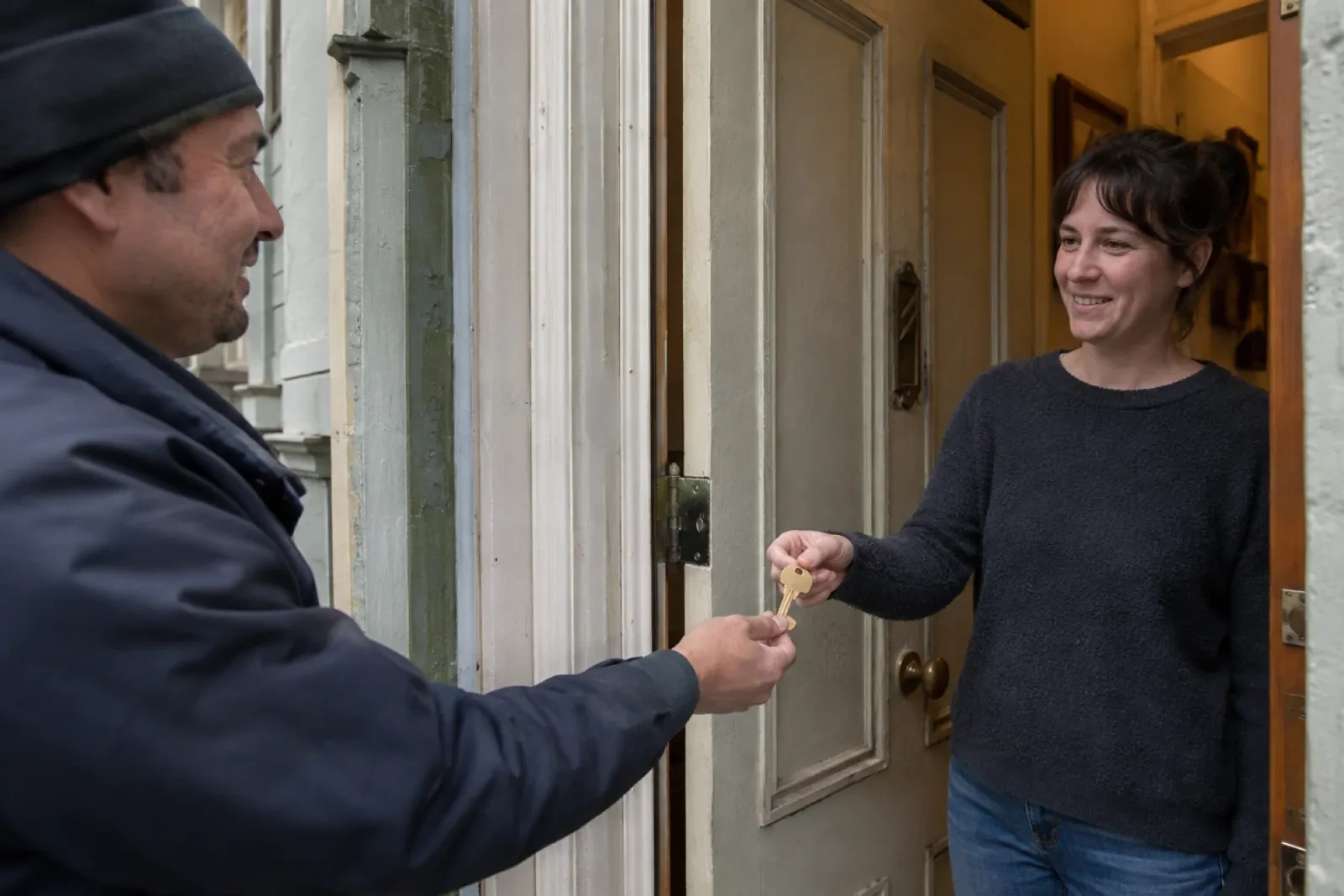 EmergencyHome Lockout ServiceThe key slides in and turns all the way round, but the bolt stays put.
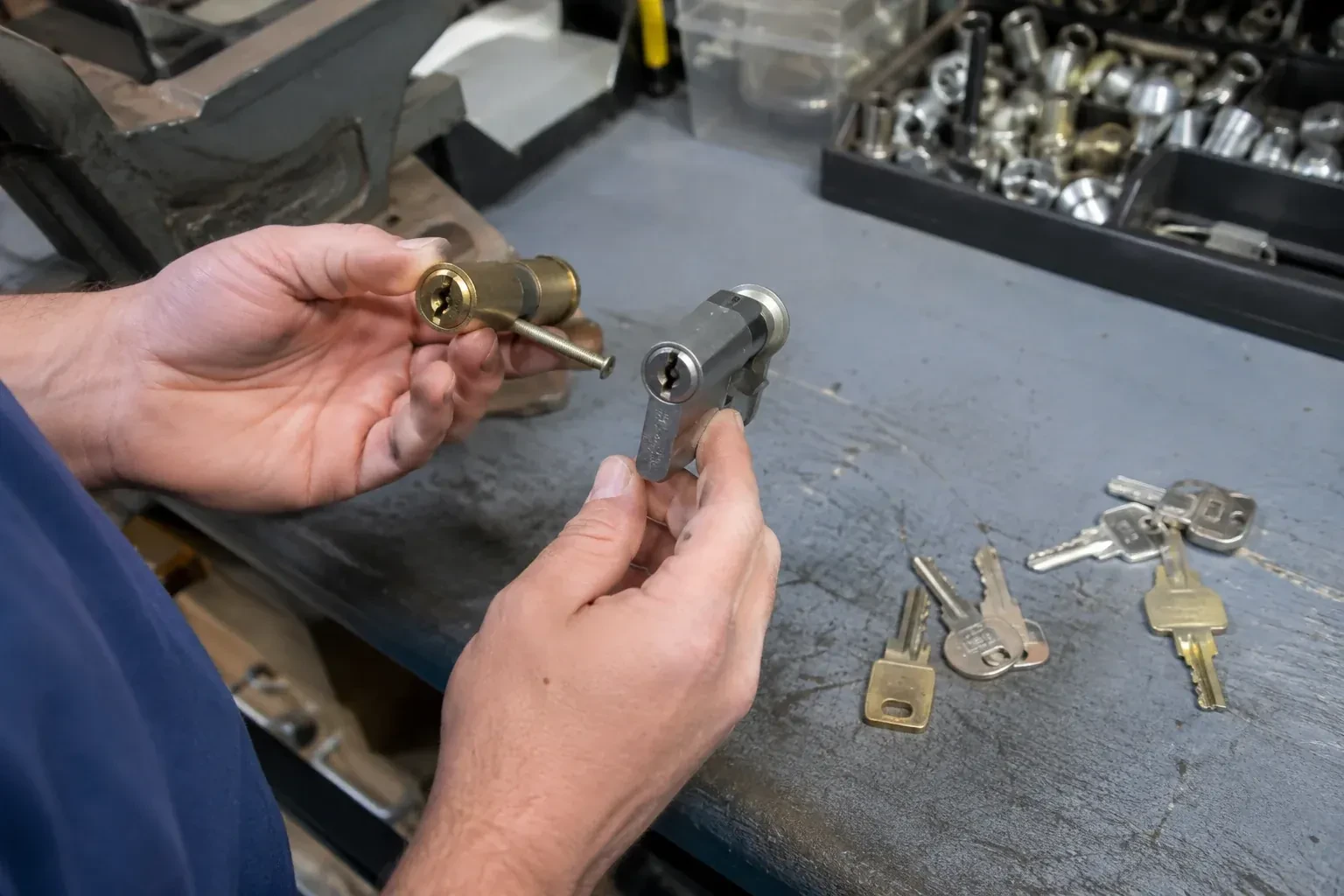 EmergencyBroken Key ExtractionOvernight the deadbolt froze, and this morning the key would only turn partway.
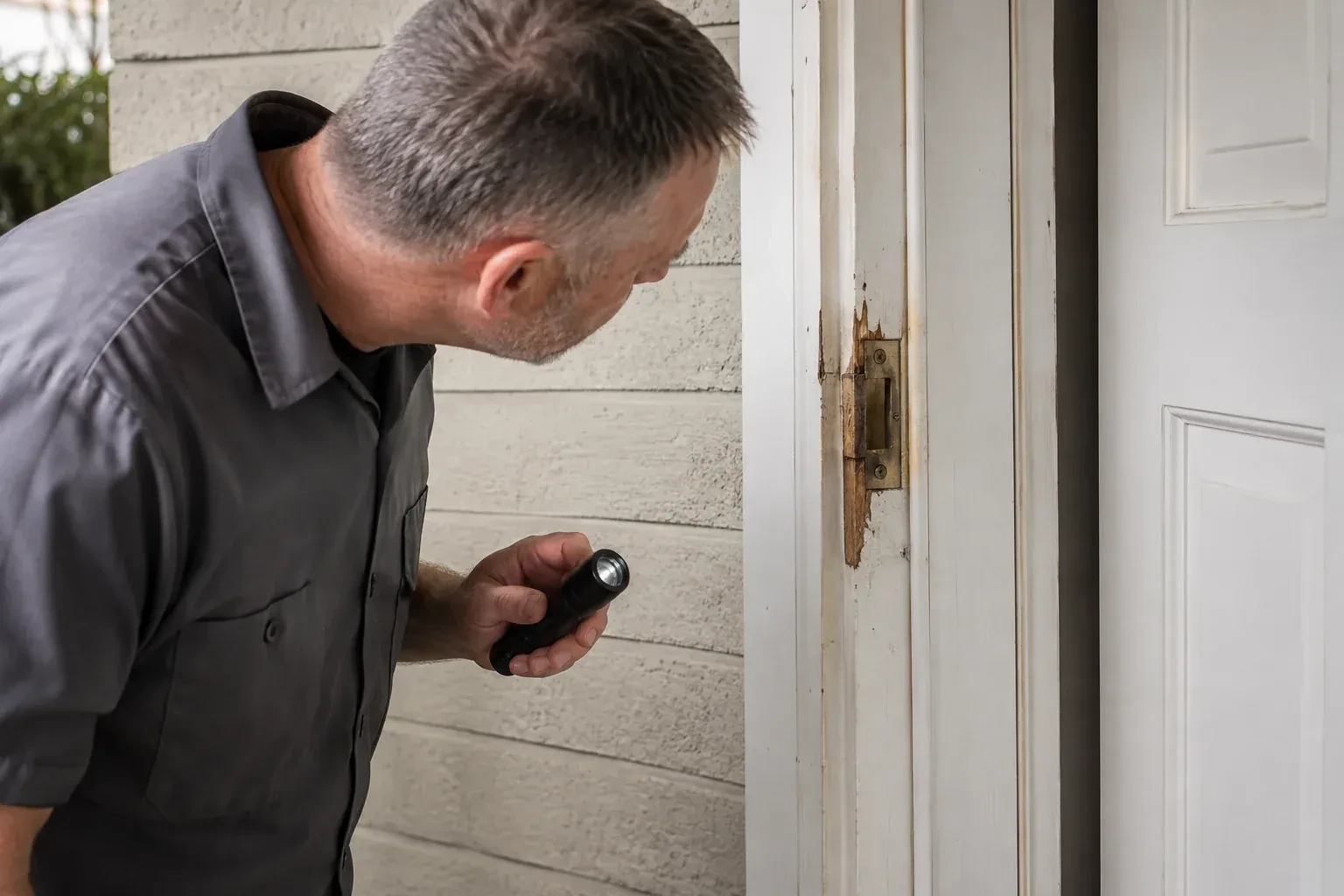 EmergencyBreak-In Damage Lock RepairThere is a hole where the cylinder used to be.
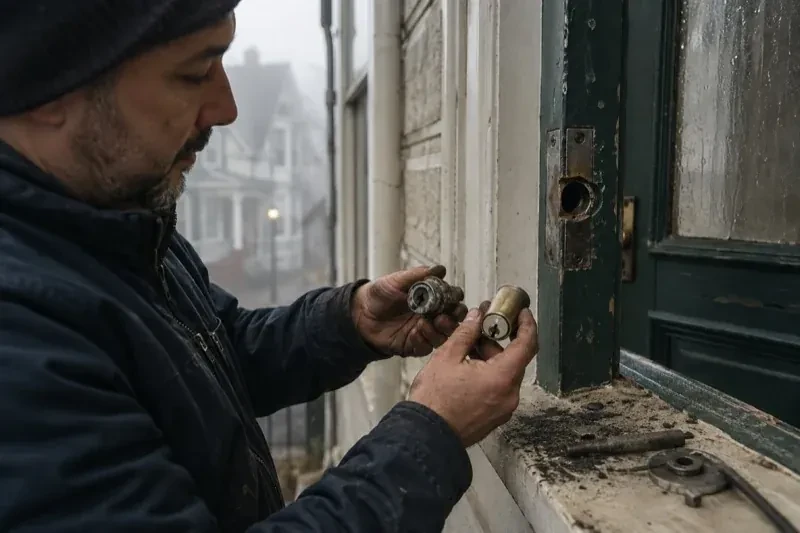 EmergencySeized & Jammed Lock OpeningYou are inside, the deadbolt is thrown, and the thumb-turn will not budge.
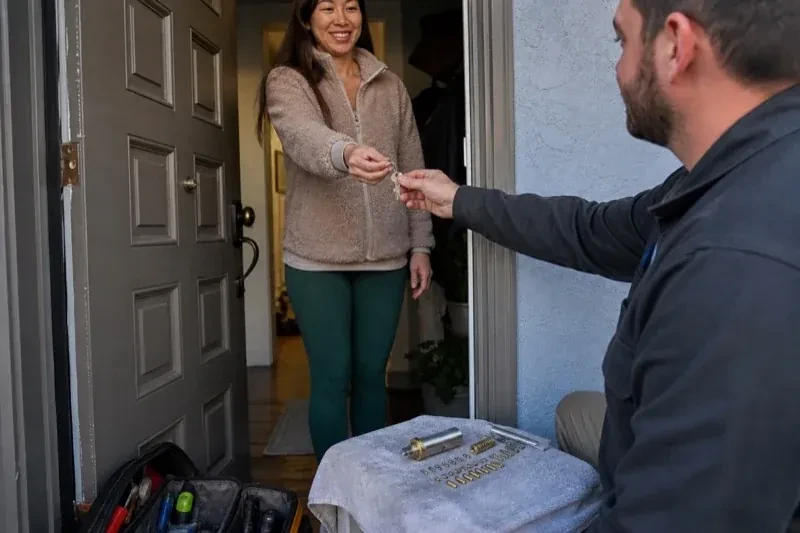 EmergencyLost Keys — Same-Visit RekeyA roommate moved out on bad terms and says the key was left on the counter.
Business Lockout Service near you
Brant, Ontario
Eagle Place information
- Town
- Eagle Place, Brant, Ontario
- In business
- 17 years
- Hours
- Open 24/7 · nights, weekends and holidays, same fees
- Phone
- (548) 900-9717
- Visits
- On-site assessment preferred. Request a visit or call.
What the census means at the door
63%
Older homes. About 63% of homes in Brantford were built in 1980 or earlier, according to the 2021 Census.
Old brass keys wear thin, and a key that has bent for years finally lets go in a cold cylinder. In older housing stock this is a regular call, so the locksmith is ready to extract the piece, check the cylinder and cut a new key from the code.
61%
Mostly houses. Single-detached houses make up about 61% of homes in Brantford (2021 Census).
Homeowners in houses often want a spare key that lives outside safely. A locksmith can fit a proper key safe or set up a keypad so a hidden key under a pot is no longer part of the plan.
Open 24/7
Request a visit
The manager who holds the only set of office keys is on a plane.
Call now · open 24/7(548) 900-9717- On-site assessment preferred
- Same fees day, night or weekend
- 17 years in business